From Yarn To Finished Product: Unveiling The Weaving Science And Aesthetics Of Sapphire Vine Jacquard Curtain Fabric
May 08, 2026
Leave a message
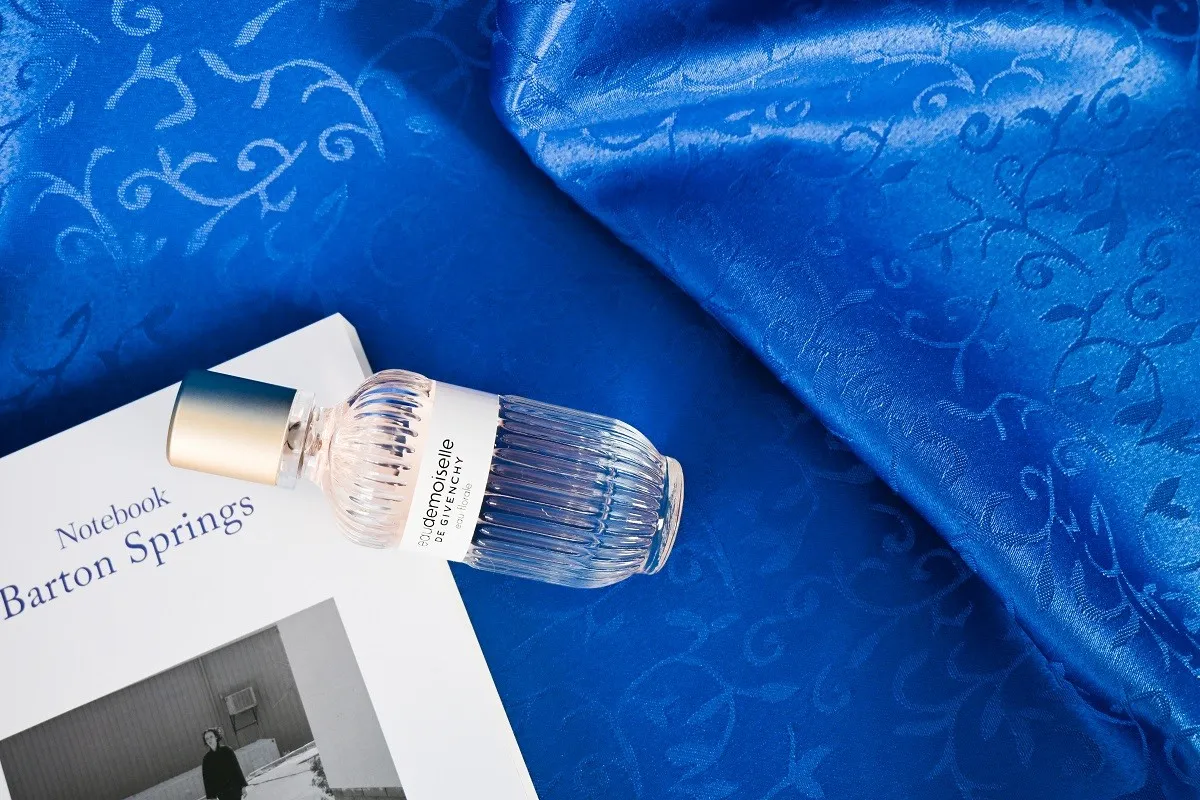
A sapphire vine jacquard curtain that leaves a lasting impression starts with individual threads and is perfected by the precise science of weaving. This article will take you into the weaving world behind the fabric, explaining how its science and aesthetics are integrated.
Phase One: Premium Yarn
Raw material selection: As mentioned earlier, high-count and high-strength polyester filament is the mainstream choice. Filament yarns are smoother and stronger than those spun from short fibers, and the fabric they produce is flatter and more lustrous. To achieve a special texture, cotton, viscose or imitation linen yarns may also be blended in to enhance the fabric's natural texture and moisture absorption and breathability.
Dyeing process: To achieve that deep, even and fast blue sapphire color, high-temperature and high-pressure dyeing or pre-dyeing with the original liquid is usually adopted. The latter involves adding color masterbatches to the raw materials before spinning, allowing the color to come through from the inside of the fibers, with extremely high color fastness and almost no fading. This is the secret to ensuring the long-lasting and bright colors of high-end fabrics.
Phase Two: Jacquard Weaving Technology
Pattern digitization: The designer's vine pattern is first transformed into a detailed weaving draft, which is then programmed into electronic pattern data recognizable by the loom, precisely controlling the individual movement of tens of thousands of warp yarns.
Interwoven latitudes and longitudes: The different colors and concave-convex layers in the vine pattern are achieved by changing the colors of the weft yarns and varying the interlacing rules of the warp yarns.
Density and weight control: The warp and weft densities (the number of yarns per unit length) of the fabric are precisely set by programming. High-density weaving is the physical basis for the fabric's thickness, good drape, and strong light-blocking ability, and it directly determines the fabric's weight.
Phase Three: Enhancing Performance and Feel
Setting: High-temperature setting treatment is carried out to ensure the dimensional stability of the fabric, prevent shrinkage and deformation, and eliminate internal stress, making the fabric surface smooth.
Antistatic treatment: Reduces dust adhesion.
Calendering or brushing: Calendering can enhance the luster of the fabric; a light brushing treatment can bring a softer and warmer touch.
Performance advantages
Three-dimensional effect and durability: The pattern is formed by the interwoven structure itself rather than a surface coating, making it exceptionally sturdy.
Light-blocking property: The high-density weaving reduces the gaps between the yarns, and when combined with dark-colored yarns (especially the black backing yarns), it can effectively block light.
Drape: The combination of high weight per unit area and reasonable warp and weft density endows the fabric with sufficient self-weight and stiffness, thus ensuring smooth draping.
The sapphire vine jacquard curtain is not only a soft furnishing but also an expresser of the space's mood. It allows the profound serenity, natural vitality and eternal elegance to flow quietly by the window. For more information or to make a personalized customization, please visit Tenzo website at www.tenzofab.com. We offer exclusive customization services for size, pattern and color.